
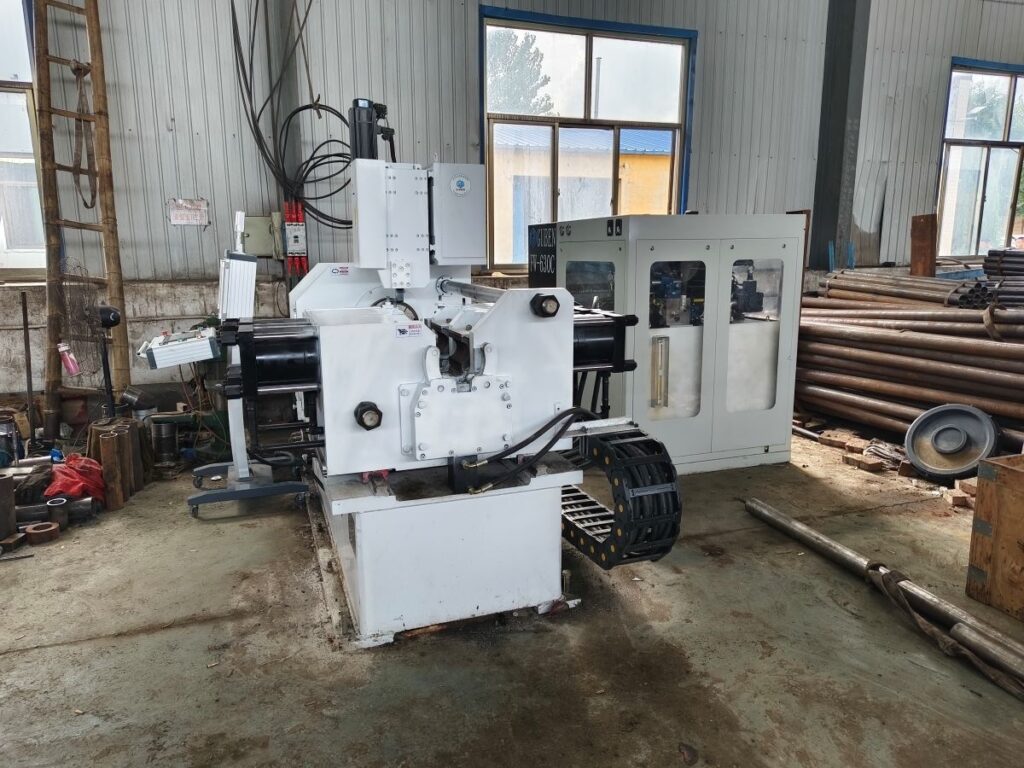
Micro friction stir welding (MFSW), a precision joining technology with great potential in the electronics industry, offers unique advantages when addressing the challenges of welding extremely small components. In the electronics field, components are often extremely small, placing higher demands on welding precision and reliability. The high heat input of conventional welding methods degrades product performance and yield rates, leading to reduced overall product reliability.
This challenge has now been effectively addressed. Micro friction stir welding (micro-FSW), derived from the principles of friction stir welding, perfectly inherits its unique advantages while achieving a critical breakthrough for welding micro-scale components. Unlike any traditional welding method, this innovative solid-state joining process opens new avenues for high-reliability electronics manufacturing. This article will delve into how micro friction stir welding plays a crucial role in the precision-demanding electronics industry, revealing how this technology is becoming a driving force propelling the advancement of high-end electronics.
What is Micro Friction Stir Welding?
This innovative friction stir welding technology achieves perfect metallurgical bonding while nearly eliminating thermal damage, significantly enhancing the durability and reliability of electronic products. Although it shares similarities with the friction stir welding principle, micro friction stir welding machines are precision systems tailored specifically for micro-scale applications.
How does Micro Friction Stir Welding work?
Through the contact between a specially designed micro-stirrer head (such as PCBN) rotating at high speed and the workpiece surface, heat is generated via the friction-induced heating effect.
When the weld material is heated to a plastic state, the stirring tool continues to rotate and move along the welding path, stirring and compressing the plastic material. This promotes material mixing and diffusion, ultimately forming a strong joint in the solid state.
Why is Micro Friction Stir Welding an ideal choice?
Compared to traditional fusion soldering technology, Micro-FSW fundamentally solves the challenges of product quality and reliability, and has the following advantages that make it an ideal choice for precision electronics manufacturing:
Extremely low heat input
Materials do not require melting prior to joining, fundamentally eliminating fusion welding defects such as porosity, cracks, and shrinkage porosity. Impact on heat-sensitive components and nearby precision structures is minimized.
Easier and Higher-Quality Dissimilar Material Joining
For joining dissimilar materials like copper and aluminum alloys, or steel and aluminum, Micro-FSW’s low-temperature characteristics effectively suppress the growth of brittle intermetallic compounds, achieving reliable, high-strength, low-resistance connections.
Exceptional Stability and Consistency
Micro friction stir welding machines enable automated operations, achieving near 100% first-pass yield rates, significantly boosting production efficiency and product consistency.
Superior mechanical properties
The welded joints exhibit outstanding mechanical properties, achieving joint strengths exceeding 90% of the parent material. Additionally, the welds demonstrate exceptional fatigue strength, significantly extending the service life of electronic components.
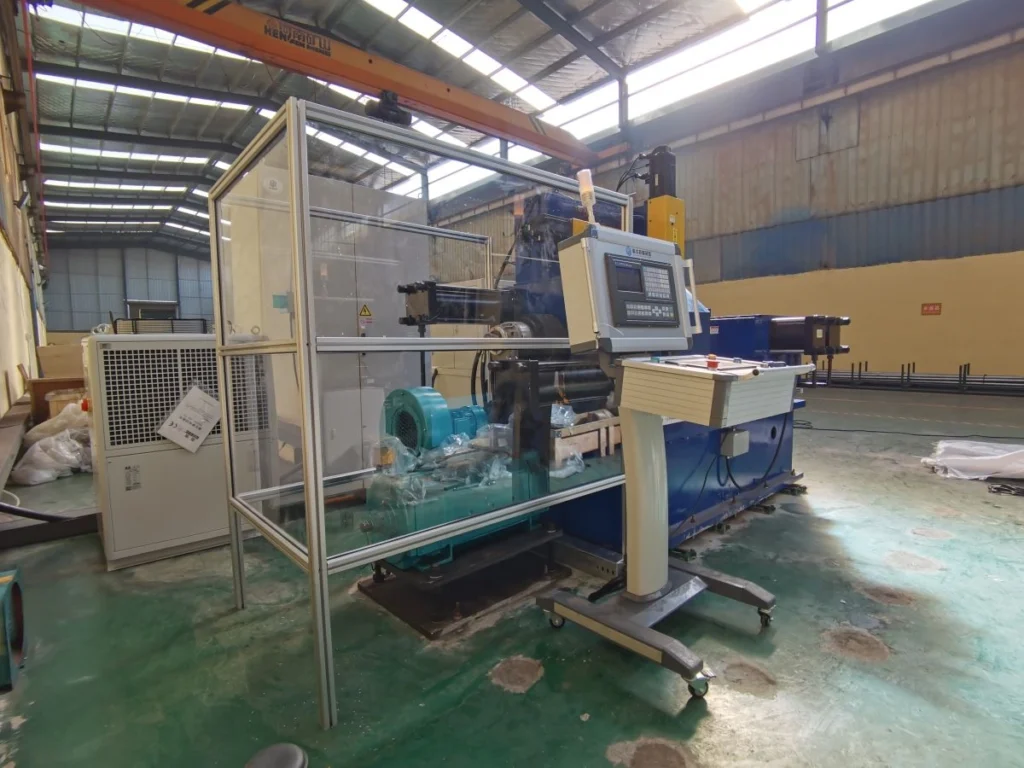
Key Applications and Advantages of Micro Friction Stir Welding in Electronics
The electronics manufacturing industry demands exceptionally precise, reliable, and low-temperature joining processes, and micro friction stir welding stands as the optimal solution to address these challenges.
Core Advantages in Enhancing Electronic Component Performance
Micro-FSW enables the electronics manufacturing industry to upgrade toward “high precision and miniaturization,” offering core advantages in the following areas:
Minimal deformation and ultra-high precision
The welding process causes negligible workpiece deformation, perfectly preserving the flatness and dimensional integrity of electronic components such as PCBs and heat spreader substrates. This eliminates the need for subsequent correction, effectively reducing time costs.
Compared to the 5%-8% defect rate of traditional welding, this process reduces electronic component welding defects to below 1%, lowering rework costs for enterprises.
Ensures flawless electrical performance
Dense welds guarantee stable and extremely low contact resistance, which is critical for high-current applications such as power electronics, significantly reducing energy loss and heat generation.
Capable of supporting the welding of small and thin electronic components, and with enhancements, can even support efficient welding of microelectronic components.
Exceptional Airtightness
Seamless, defect-free welds readily achieve sealing performance at the 10^-8 atm.cc/sec level, fully meeting core requirements for hermetic encapsulation of electronic components. This effectively isolates moisture, dust, and other factors that can compromise precision instruments, maintaining long-term stability of the internal environment.
Eco-Friendly and Safe Process
Micro friction stir welding requires no filler wires, fluxes, or other auxiliary materials. This eliminates harmful fumes (such as heavy metal vapors and ozone) generated by material volatilization in traditional welding from the source. It also prevents contamination risks to electronic components’ precision structures from residual weld slag.
Micro-FSW Applications in Critical Components Across Multiple Fields
From consumer electronics to aerospace, micro friction stir welding delivers significant benefits. Below are specific application scenarios for this process.
Electronic Power Modules
Used in IGBT and SiC/GaN power modules to connect control terminals, main electrodes, and ceramic-clad copper boards to heat sink substrates. Its low heat input prevents thermal shock cracking in ceramic materials, ensuring long-term cyclic life for the modules.
Battery Manufacturing
Efficiently and safely connects aluminum/copper busbars in electric vehicle and energy storage system battery packs. Its solid-state nature fundamentally eliminates short-circuit and thermal runaway risks caused by welding spatter or overheating.
Sensor and MEMS Packaging
Provides reliable hermetic encapsulation for pressure, temperature, and inertial sensors, shielding internal precision microstructures from moisture and corrosive gases to ensure long-term signal stability.
5G/6G Communication Equipment
Delivers stable RF performance and mechanical strength in high-frequency PCB metal shield grounding, waveguide assemblies, and antenna connections, meeting stringent requirements for high-frequency signals.
Supro’s Friction Stir Welding Success Stories
As a pioneer in China’s friction welding field, Supro successfully resolved the packaging challenges for heat dissipation substrates of a renowned Chinese semiconductor company through its high-quality friction stir welding process.
During the production of 5G base station power amplifiers, the customer consistently faced an aluminum nitride heat sink substrate yield rate below 85%, coupled with unstable thermal efficiency, severely impacting production efficiency.
Through in-depth analysis, Supro’s professional team tailored specialized friction stir welding equipment and process parameters to perfectly address this challenge:
- Precise temperature control fundamentally eliminated the risk of substrate cracking caused by high temperatures.
- Leveraging our expertise in dissimilar material welding, we achieved high-strength connections for multiple material combinations like copper-aluminum.
- Ensured joint reliability and fatigue performance while preventing thermal damage to components.
- Supro provided a customized friction stir welding process solution, guaranteeing dense, defect-free welds that significantly enhance thermal performance and long-term reliability.
Through this collaboration, Supro not only helped the client overcome technical bottlenecks but also delivered direct, substantial benefits: yield rates soared to over 99%, drastically reducing scrap losses and rework costs. Simultaneously, device thermal performance improved by approximately 20%, significantly extending operational lifespan.
Contact Supro-mfg
Micro friction stir welding is a future-oriented micro-connection solution for electronics. Through core characteristics such as low heat input and high-quality joints, it systematically addresses fundamental pain points in high-density, high-reliability electronics manufacturing. It demonstrates unparalleled value in enhancing electronic product performance, yield rates, and long-term reliability.
For electronics manufacturers, high-quality micro friction stir welding technology is the reliable guarantee for creating cutting-edge electronic products that are lighter, thinner, more reliable, and longer-lasting.
Supro specializes in friction welding process research and efficient application, offering not only customized friction welding machines but also comprehensive solutions spanning process development, prototype testing, and full-scale production. We are committed to becoming your strategic partner in tackling the most demanding connection challenges.
Are you seeking a precision connection solution to enhance product reliability and manufacturing yield?
Contact Supro’s welding expert team today for a complimentary, tailored technical assessment.